

SUPERCHARGE YOUR SOIL!
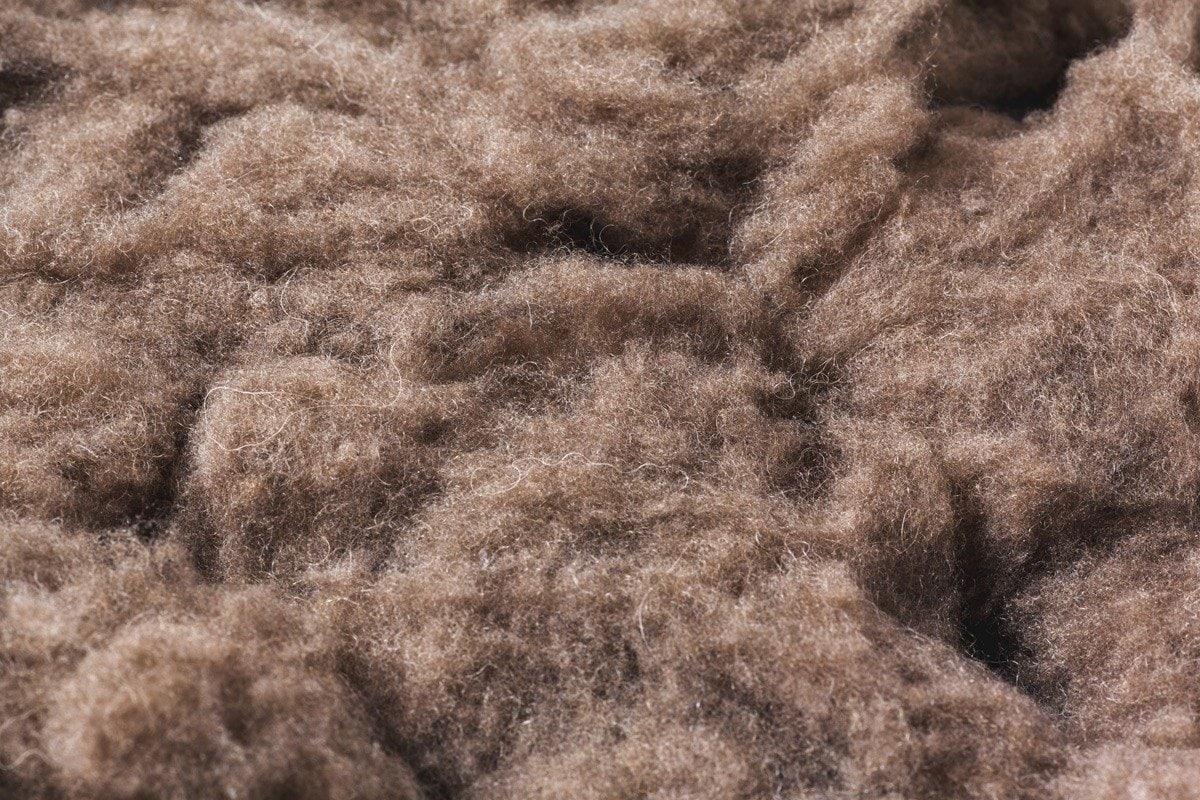
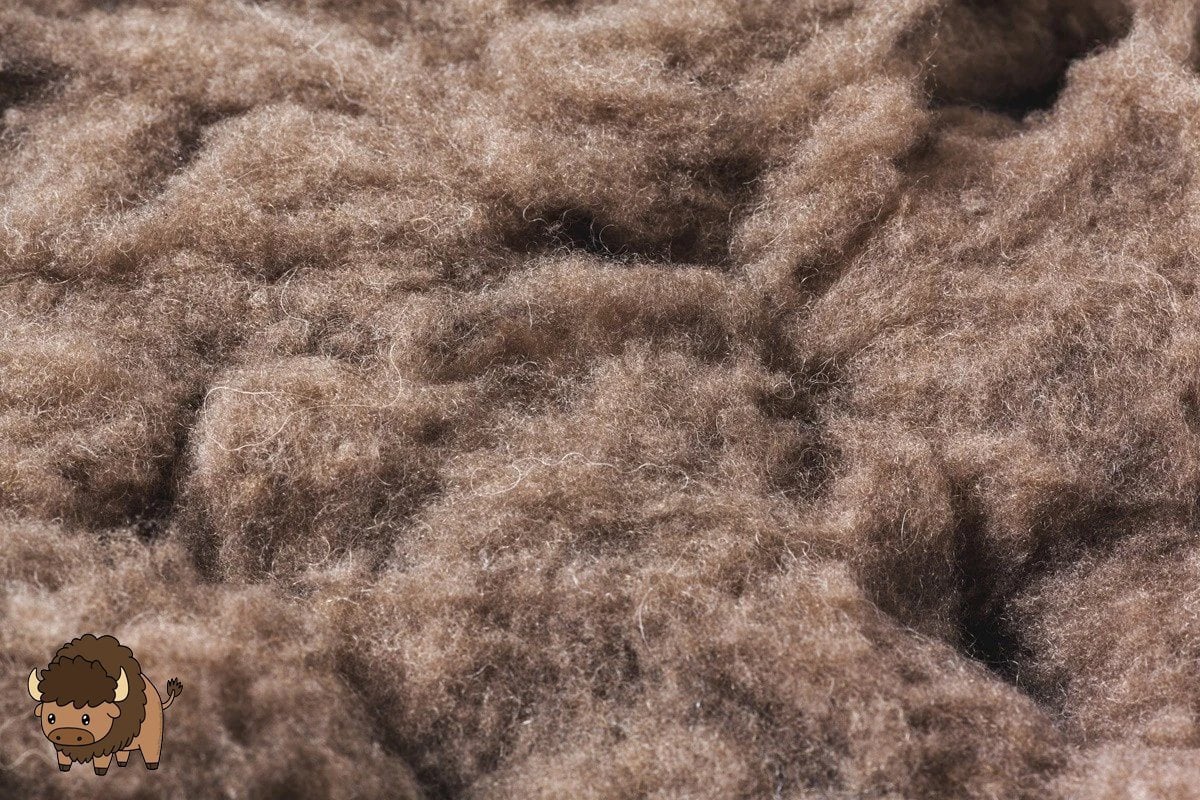
What is it? well, most simply it is 1lb of buffalo hair, the short down and guard hair that is left when we make our yarns. Just part of our program for finding the best use for everything bison.
What do I do with it? When tilling up your garden, or filling pots for planting, just spread the fiber out as you mix up the dirt. It's is pretty simple, we recommend .5 lbs per square yard of garden plot, or 1 oz per one gallon pot. Obviously if you have more clay in your soil, you might want to use more.
Why would I want to use it? Bison fiber is a great source of very slow release nitrogen and other minerals that puts nutrients back into the soil. It also improves drainage and soil aeration. Supercharge your garden the natural way.
if you’re tired of chasing bigger harvests with synthetic fertilizers that wash away or burn your plants, there’s a natural, slow-acting alternative that’s flying under the radar: bison fiber. This isn’t some exotic import—it’s a 100% American byproduct of bison wool processing, and blending it directly into your garden soil can deliver measurable improvements in plant growth, vegetable size, and overall yield. Gardeners who mix it in report healthier roots, better soil structure, and crops that keep producing season after season without constant feeding. Here’s exactly why it works.
What Is Bison Fiber?
Bison fiber (also called buffalo hair) is the short down and guard hair left over after the longer fibers are spun into yarn. It’s the same material that keeps American bison warm through brutal winters—collected ethically from shed coats and processed into a fine, lightweight amendment. One pound of it is pure keratin protein from the animal’s coat, with no added chemicals, dyes, or fillers.
Think of it as nature’s slow-release fertilizer pellet, but in loose fiber form that mixes easily into soil.
Slow-Release Nitrogen That Lasts for Years
The magic starts with nitrogen—the nutrient most gardens crave for leafy growth and heavy fruiting. Bison fiber is rich in it because the hair is made of keratin, a protein that breaks down gradually through microbial action. Unlike quick-release synthetic fertilizers that can leach away or cause nutrient burn, bison fiber releases nitrogen slowly over multiple seasons—often 2+ years.
Studies on similar uncomposted wool and hair wastes show they act as excellent soil amendments for high-value crops, supplying steady nitrogen plus sulfur, phosphorus, and potassium. In one trial using wool pellets (chemically identical in nutrient profile to bison fiber), researchers saw vegetable yields equal to or better than commercial fertilizer—and tomatoes grew 58–69% larger than unfertilized controls.
Your plants get a consistent “time-release” meal instead of a sugar-rush spike and crash. The result? Stronger stems, more blossoms, and higher yields without the mid-season slump.
Better Soil Structure, Drainage, and Aeration
Heavy clay or compacted garden beds suffocate roots and hold too much water. Bison fiber’s lightweight, crimpy strands create tiny air pockets as they work their way through the soil. This improves drainage while increasing aeration—roots breathe easier, absorb nutrients faster, and resist rot.
It also boosts water retention just enough to keep soil moist during dry spells without turning it soggy. Gardeners mixing it into clay-heavy plots often notice the soil becomes looser and crumblier within one season.
Feeds the Soil Food Web
Healthy soil isn’t just dirt—it’s a living ecosystem of microbes, fungi, and earthworms. As bison fiber decomposes, it becomes a feast for beneficial bacteria and fungi. These microbes break it down, cycling nutrients and building humus that holds everything together. The end result is more microbial activity, which translates to faster nutrient uptake by your plants and natural disease suppression.
How to Blend It In for Maximum Results
It’s simple and forgiving:
New beds or tilling: Spread ½ pound per square yard as you mix or till.
Container gardens: Add 1 ounce per gallon of potting mix.
Clay or poor soils: Use a little more—the fibers help open it up.
Just fluff the fiber lightly and work it evenly through the top 6–8 inches of soil before planting. Top-dress around established plants if you missed the prep stage. No composting required—it’s ready to go straight from the bag.
Sustainable, Peat-Free, and Made in America
Unlike peat moss (which destroys fragile wetlands) or synthetic fertilizers (which pollute waterways), bison fiber is a zero-waste byproduct of small-scale bison ranching. It puts nutrients back into the soil instead of mining them from finite resources. And because bison are native grazers, using their fiber supports regenerative agriculture that actually rebuilds prairie ecosystems.
Real-World Payoff: Bigger Yields, Less Work
Gardeners using animal-fiber amendments consistently report:
Larger, tastier vegetables
Fewer nutrient deficiencies mid-season
Reduced need for supplemental feeding
Improved drought and heat tolerance
Whether you grow tomatoes, peppers, leafy greens, or root crops, the steady nutrition and healthier soil biology pay off in heavier harvests you can actually see and taste.
Ready to give your garden the bison boost? A single pound goes a long way, and once you see the difference in your soil and your yield, you’ll wonder why you ever relied on bags of 10-10-10. Blending bison fiber isn’t just an amendment—it’s an investment in a thriving, self-sustaining garden that keeps giving year after year.
Want to read a little more on hair additives in agriculture?.... check out this article.
http://www.researchgate.net/publication/240783598_Uncomposted_Wool_and_Hair-Wastes_as_Soil_Amendments_for_High-Value_Crops
for larger quantities please write, [email protected]
We partner with a third party reviews platform to ensure the integrity and authenticity of our customer reviews. We cannot edit review ratings and do not curate our reviews.
I’m excited to see how my plants will grow. I used it with all of my new plants I put in this past weekend. I used it in our small area of grass. I put down new soil for grass seed and clover. I see clover coming up already. It will be great.
I am preparing to use the bison fiber to insulate strawberries after the ground is cold enough for the strawberries to go dormant. Also to overwinter native perennial plants in pots. The bison fibers are great insulation
I needed a soft pillow so I started to card the wads of soil amendment and put the softer fiber in a pillow case…. Takes a lot of hand carding to fill up the zippered pillow case but it’s soooo soft and fluffy!
I bought this product to use in my laying boxes for the girls . They love it - 12 out of 14 prefer to lay in the Buffalo soil amendment -buffalo hair versus straight hay bedding and egg proofs better than the past seasons without the amendment.
I bought bison fiber for soil ammendment but ended up giving to my son for his chickens. Now I need to buy more for my soil.
I am definitely excited to try this bison fiber. I think already seeing growth improvement in my potato section of the garden. Also glad have enough to use for the upcoming year or at another family member garden. Also really happy to put bison fibers back into local environment seeing no buffalo herds in my region. Definitely reccomend to gardeners improving their garden beds.
I love buffalo fibers, and is usually quite expensive for spinning. I bought the 5 pound box since it was on sale and the site also had another discount with free shipping. I have been looking at this fiber for awhile now. I was very pleased how clean it was. and yes 5 pounds is allot but had the best savings. I want to use allot of it for the garden and big pots soil, but I also want to use this for needle felting, stuffing for little pillows, even though short fibers I may card some with another fiber and see how it spins up, and other fiber art projects. I love the feel of buffalo fibers so am happy with my purchase
Our chickens love it and are still laying at -15°. They move it to where they want it. Great stuff.
I love the Bison Fiber as an soil additive. Besides the additives (minerals, etc.) that it adds to the soil it helps to aerate and loosen the soil. I have used in planting soil even for my houseplants as well at the bottom of pots for keeping soil in and drainage. Great stuff—can’t knit it though!😂
I like having a natural option for amending my soil. I live in an area with clay-heavy soil. Digging the bison fiber into the garden beds really makes a difference!
The quantity is a lot… the quality of the fiber is clean n fresh. I was wondering why it wasn’t a garment. I’ve just recently placed it in some pots with differing plants… it is to early to say it works.. but I believe you. I also gave a small amount to my crop seed supplier. He said he’d give some to the chemical nutritionist guy in the office for analysis. I am pleased with the order. Thank you. I like trying natural things
I have been using this under my potted succulents and my rosemary bushes--things that require good drainage--but now I have 5 lbs to work with, and will use it to amend the beds where I plant the carrots and potatoes, because our soil is so dense and full of clay. I like compost, but the wildlife also likes it--but the 'critters' are not attracted to the bison hair, so it does its job unmolested. And it will gradually improve my soil
I was surprised how much of my garden the amendment covered. I don’t have compost so I used as a soil shade and covered with grass clippings. It has rained and now have nice solid soil protection. Should compost in a year this way. I really like the fiber.
would like to purchase the wools and hair as it comes off the buffalo and not separated at all. is that possible? thank you
I have used this for planting indoors and outside in the garden. I have also begun to felt it.
We actually used this to make a pillow, and so far it seems great. The fibers are more burly and thick than sheep wool, so I think they are less likely to get matted.
Never heard of such a thing but decided to give it a try. I look forward to using it in my fall garden.
Bought 4 packs for Christmas gifts. My family is going to get a kick out of this unexpected gift.
I mixed the bison fiber into my flower beds and it seems to be helping to loosen the very hard clay soil. It's the only thing I've tried that has helped - and I've tried it all.
My daughter and I make Native American Dolls and use bison hair on them. This is perfect for what we want. Clean and immediately useable. We will be buying more. Thank you for prompt delivery.
Couldn't find refill wool for nesting material ball cage. Buffalo wool agreed to send 1lb bag (will last for years) at a fair price. Handled order promptly. Birds in my area of New England (Chickadees, Titmice, native sparrows) love the wool for nesting material and will empty the cage during their breeding season.
I used this last year in my vegetable / herb raised bed with great success===I also had my soil just tested after letting the bed go dormant. I got superb ratings across all the nutrients tested!~~ I know it was because of the spirit of the buffalo!!! I know I will again have the best tomatoes around!!

S&D Spinning Mill, Millbury, MA, USA
Designed from the Ground Up
The Dearnley Family has been running S & D Spinning since the 1800s. This is one of the last large scale wool mills left in the U.S. and they are absolutely crucial to us keeping our production here in the U.S.